What Lasts Longer: A Heat Pump or A Gas Furnace?

What Lasts Longer: A Heat Pump or A Gas Furnace?

When we did a deep dive on heating systems earlier this winter, we broke down the upfront costs, comfort levels and efficiency differences between a heat pump and a gas furnace.

But there’s another important factor homeowners in North Carolina and Virginia need to consider: how long each system actually lasts.

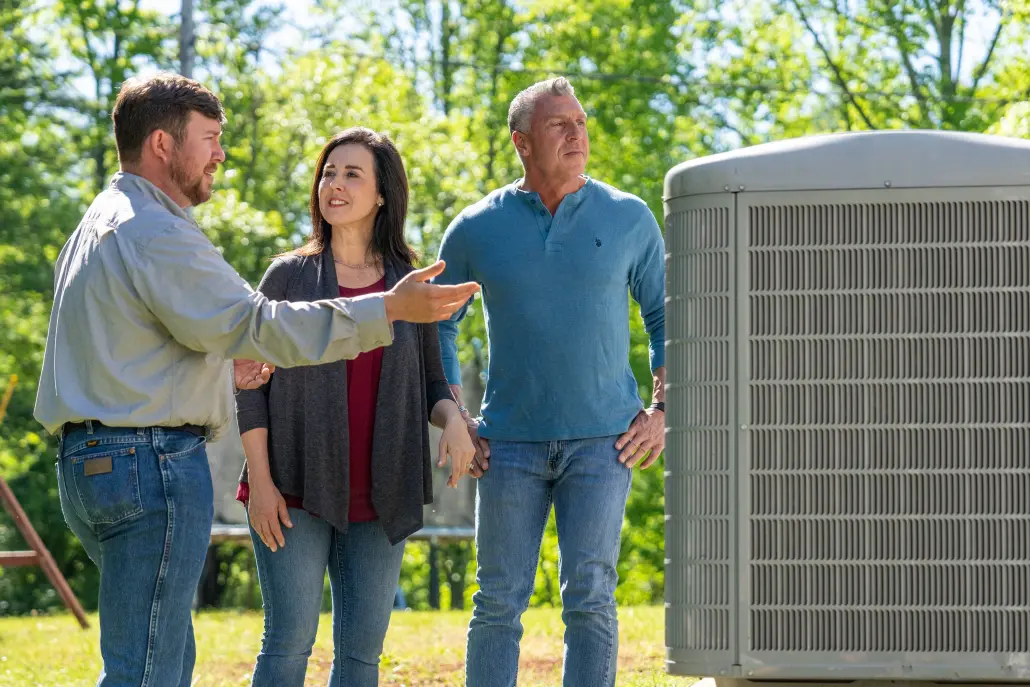
HVAC with residential customers

Why Heat Pumps Wear Out Faster

One of the biggest differences between a heat pump and a gas furnace is how often each system lasts.

A heat pump works all year long. In the winter, it heats your home. In the summer, it switches roles and cools it. That means the same system is on through every season, handling both temperature extremes.

It’s not that heat pumps aren’t reliable, but that constant workload adds up over time. Running more means additional wear on components like compressors and motors. And more wear usually means a shorter overall lifespan compared to systems that get a seasonal break.

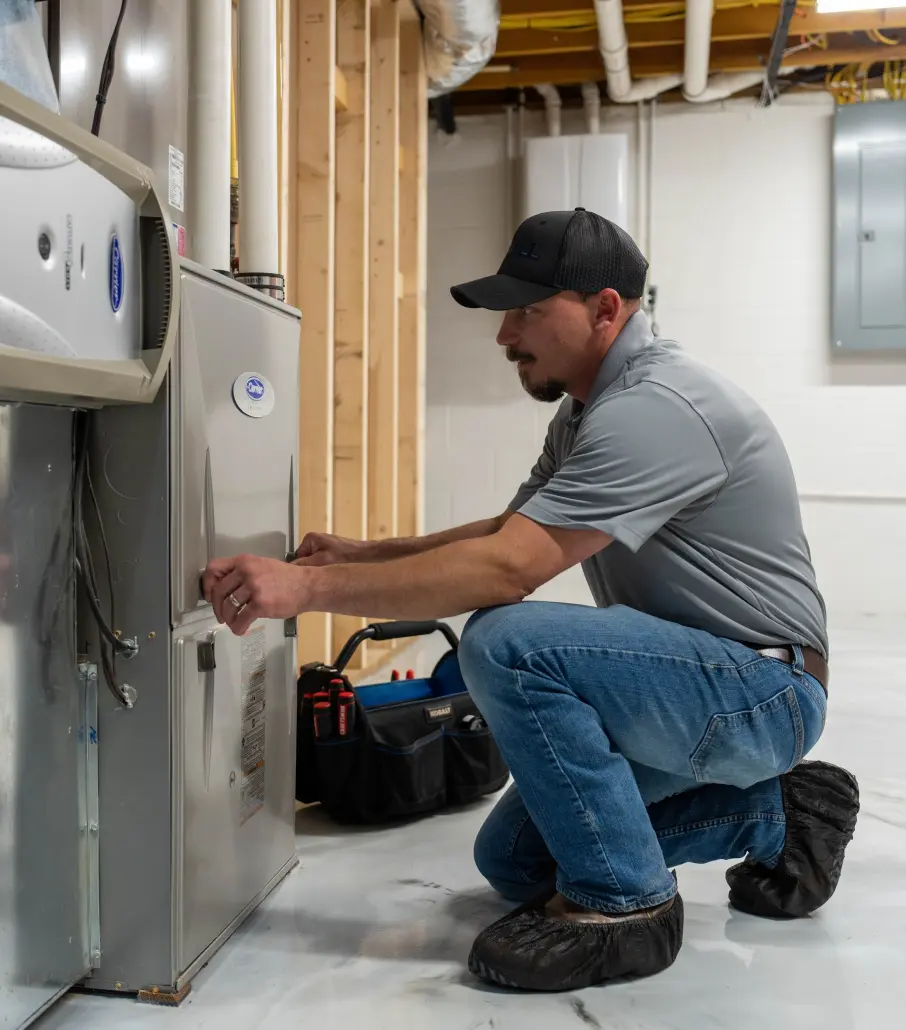
Hall HVAC technician working on an indoor furnace

The Long-Term Value of a Gas Furnace

Simply put, a gas furnace and central air system do not work as hard as a heat pump.

It’s easy to see why: your furnace handles heating during the colder months, while your AC takes over when temperatures rise.

Those seasonal breaks make a big difference.

Gas furnaces also have fewer moving parts than heat pumps, which means fewer components that can wear down over time. With routine maintenance, it’s not uncommon for a furnace to last decades. Coupled with a gas furnace, an AC unit commonly lasts much longer than a heat pump, since it is not doing double duty like a heat pump.

While the initial price tag of a heat pump may look attractive, replacing an entire system more frequently can dramatically shift the value equation.